
The 21st century comeback of crosswords
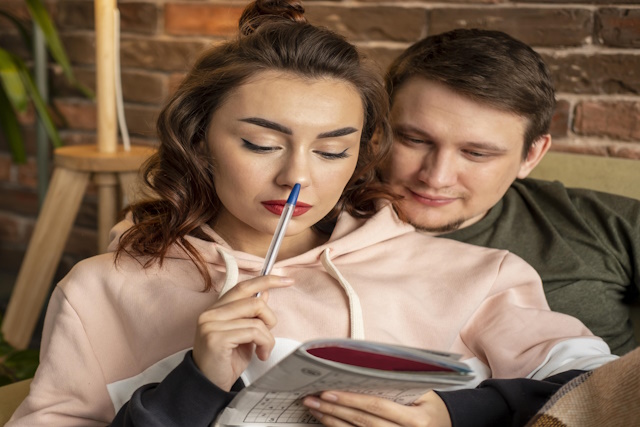
Once viewed as a relic of print newspapers and Sunday supplements, crosswords are experiencing a vigorous revival in the digital era. Far from fading into obscurity, these puzzles have found new life on smartphones, social media feeds and voice-activated devices. Crosswords today unite traditional grid-based challenges with cutting-edge technology, appealing to linguists, trivia buffs and casual solvers alike. This article explores how digital platforms, cognitive science, community events and niche trends have combined to spark this modern resurgence, offering detailed examples and concrete data for puzzle enthusiasts and curious readers.
Digital Transformation
Rise of Mobile Apps and Online Platforms
Smartphones and tablets have turned crossword solving into a convenient daily habit. Nearly every major newspaper offers a dedicated app, while independent developers compete with innovative interfaces. The New York Times Crossword app draws over 2 million monthly solvers, Yale’s Crossword Nation app provides themed daily puzzles and Puzzle Page delivers micro-puzzles for a quick brain workout. On tablet screens, solvers can highlight errors, access hints and track completion times—features impossible on a printed page. This seamless integration of convenience and functionality has broadened the audience far beyond long-time subscribers.
- New York Times Crossword: premium puzzles and mini editions
- The Guardian Quick Crossword: British clues with regional flavor
- Crossword Nation: themed puzzles from university presses
- LA Times Crossword: free daily challenges for commuters
- Puzzle Page: bite-sized grids designed for morning commutes
Integration with Smart Technology
Voice assistants and wearable devices now host crossword features, turning every commute or coffee break into an opportunity for wordplay. Asking “Alexa, open Crossword” brings up the latest puzzle complete with read-aloud clues, while smartwatches offer mini-crosswords meant to be solved with swipes and taps. Fitness trackers even embed puzzles into workout cooldowns as a mental stretch. By embedding crosswords into our daily routines, these smart interfaces ensure puzzles remain relevant in an age of constant multitasking.
Educational and Cognitive Benefits
Vocabulary Building and Language Skills
Educators increasingly recommend crosswords as tools for vocabulary expansion. University language-lab studies reveal that students who tackle themed puzzles retain new terms 30 percent better than those who rely on rote memorization. Crosswords challenge solvers to recall definitions, recognize word roots and navigate puns, idioms and foreign language entries. Language apps now embed mini-crossword exercises after each lesson, converting passive learning into active recall and strengthening neural connections associated with word retrieval.
Memory, Focus, and Problem-Solving
Neuroscience research links regular crossword solving with improved memory and sharper focus. A landmark study at the Rush University Medical Center found that adults over 60 who engaged in word puzzles weekly had a 2.5 year delay in cognitive decline onset compared to non-puzzlers. Crosswords act as mental gym sessions, requiring sustained attention, pattern recognition and strategic guessing. Each completed grid delivers a burst of dopamine, reinforcing the habit loop and encouraging solvers to tackle ever more challenging clues.
- Enhanced short-term memory through clue retrieval
- Improved pattern recognition via intersecting words
- Heightened mental flexibility from ambiguous or punny clues
- Stress reduction by focusing attention on a single task
- Long-term resilience against age-related cognitive decline
Community and Interactive Experiences
Crossword Podcasts and Social Media Challenges
Podcasts like “Fill Me In” and “WordPlay Weekly” have turned puzzling into a social affair. Hosts dissect famous grids, interview constructors and share insider anecdotes about clue creation. Meanwhile, Twitter hashtags (#CrosswordHour) and Reddit’s r/crossword community—boasting over 200,000 members—coordinate timed solving sprints, clue-trade sessions and constructor feedback threads. Instagram puzzle accounts post daily micro-crosswords in carousel format, inviting followers to submit solutions in comments. These platforms foster real-time interaction, transforming what was once a solitary pastime into a collaborative sport.
Collaborative Speed-Solving and Tournaments
The American Crossword Puzzle Tournament (ACPT), founded in 1978, has more than doubled its attendance in the past decade, drawing over 700 competitors from around the world. Regional speed-solving contests have sprouted in coffee shops, libraries and bars, often sponsored by local newspapers or language clubs. Teams race against the clock, sharing clues and debating obscure references, while spectators follow along on live-streamed scoreboards. Prizes range from subscriptions and puzzle-themed merchandise to invitations to editorial offices, cementing a bridge between solvers and constructors.
Niche Trends and Future Directions
Themed and Cryptic Puzzles for Enthusiasts
While standard crosswords dominate morning routines, cryptic puzzles and specialized themes attract dedicated hobbyists. Cryptic crosswords—long popular in the UK—use elaborate wordplay, anagrams and hidden definitions. Publications like The Times of London and The Telegraph report record subscriber numbers for their cryptic editions, with annual sales up 15 percent in the last five years. Themed puzzles (architecture, pop culture, STEM) appear in academic journals and niche magazines, often requiring subject-matter knowledge that appeals to enthusiasts craving intellectual depth.
AI-Generated and Crowdsourced Puzzles
Advances in artificial intelligence are now assisting constructors rather than replacing them. Tools like Crossword Compiler’s AI assistant suggest grid layouts and clue phrasing, speeding up the creation process. Meanwhile, crowdsourcing platforms invite solvers to submit clue ideas, vote on theme entries or participate in puzzle-design hackathons hosted by universities and tech companies. In one notable experiment, MIT engineers released an AI-curated crossword generator that adjusted difficulty in real time based on solver performance, adapting clues on the fly to maintain engagement.
Micro-crosswords—grids as small as 3×3—have also gained traction on Twitter and LinkedIn, offering a two-minute mental boost between meetings. Augmented reality (AR) crossword apps overlay clues onto real-world locations, turning cityscapes into living puzzles. With technology and community converging, crosswords are poised to evolve continuously, securing their place in 21st-century leisure and learning.