
How to become a crossword pro?
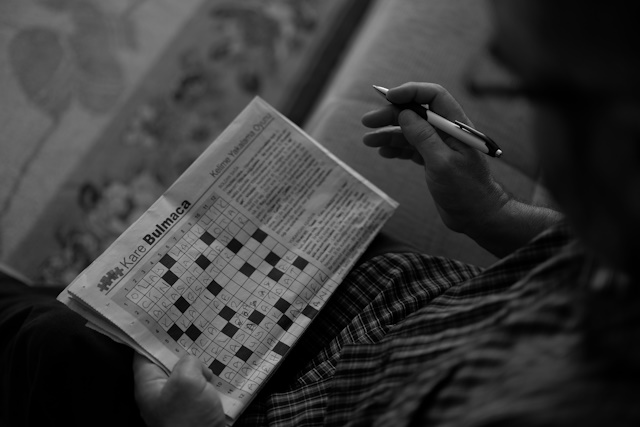
Crossword puzzles have captivated minds for over a century, blending wordplay, trivia and lateral thinking into a satisfying mental workout. Becoming a crossword pro requires more than occasional solves; it demands systematic skill-building, strategic techniques and consistent practice. Mastery of grids, clues and themes separates casual solvers from top performers. This guide outlines the key steps—from mastering basics and adopting proven strategies to leveraging resources and establishing productive routines—that empower enthusiasts to tackle puzzles of any difficulty with confidence and speed.
Whether facing a daily newspaper puzzle, a Sunday mega-crossword or a themed tournament grid, high-level solvers share common habits: expansive vocabulary, pattern recognition, efficient time management and a thirst for continuous learning. By dissecting each aspect of the solving process and presenting concrete examples, this article offers a clear roadmap toward pro-level performance. Enthusiasts who embrace these techniques will notice faster solve times, fewer errors and deeper enjoyment of every clue.
Mastering the fundamentals
Understanding crossword structures
Most crosswords adhere to symmetrical grids with black and white squares forming interlocking words across and down. Standard daily puzzles feature 15×15 grids, whereas Sunday challenges expand to 21×21. Puzzle constructors often apply rotational symmetry, mirroring black squares across quadrants. Recognizing grid patterns and theme entries—such as rebus squares or gimmick themes—helps identify where longer answers fit and which black-square interruptions drive the puzzle’s structure and difficulty level. Beginners should start with compact mini-puzzles before advancing to themed Sunday grids where theme mechanics alter standard fill rules.
Building a strong vocabulary
An expansive vocabulary underpins every successful solve. Regularly studying word lists, root words, prefixes and suffixes enables solvers to tackle obscure entries and uncommon terminology. Focusing on high-frequency crossword words—short fill like eke, ala and lps—provides quick gains early on. Supplementary practice with flashcard apps or word-a-day calendars deepens retention. Exploring word etymology also uncovers roots that tie across multiple clues, reinforcing recognition. Over time, this approach builds confidence and accelerates fill speed.
Familiarizing with clue types
Diverse clue types demand varied thinking patterns. Straight definitions and fill-in-the-blank clues reward direct recall, while puns, anagrams and cryptic-style hints require lateral wordplay. Abbreviations (for example, “dept.” or “abbr.”) and indicator words (like “flustered” for anagrams) are cues to specific solving methods. Reviewing clue glossaries—available online or in reference volumes—builds pattern awareness. Sorting clues by type during practice sessions accelerates the clue-type familiarization process, ensuring that each puzzle feels less unpredictable.
Developing effective solving strategies
Starting with fill-in-the-blank and short answers
Filling straightforward entries first builds momentum. Clues with explicit definitions or blank spaces (for example, “capital of France: __”) are low-hanging fruit. Short answers of two to five letters tend to repeat across puzzles, making them easy targets. Beginning each puzzle by tackling these clues unlocks intersecting letters that simplify longer or cryptic entries. Tracking success rates on different clue lengths reveals personal solving strengths over time.
Cross-checking and pattern recognition
Each completed fill intersects with other answers, offering cross-checks that confirm accuracy. Solvers benefit by scanning partially filled rows and columns to infer missing letters. Identifying common letter patterns—such as _ing, _tion or repeated double letters—guides educated guesses. Systematic cross-checking prevents cascading errors: a single wrong entry can block entire word families. Focusing on high-value crossing points—where multiple long entries intersect—increases solve efficiency and reliability.
Leveraging time management
Speed and accuracy rise with structured time allocation. Dividing a puzzle into timed segments channels focus and curbs lingering on stubborn clues. A simple routine might split a ten-minute target into passes dedicated to easy, medium and hard entries. Time awareness sharpens decision-making under pressure, turning guesswork into educated speculation. Adjusting segment durations based on puzzle size and personal pace ensures realistic targets and steady improvement.
- set a strict timer for the overall solve
- scan for fill-in-the-blank opportunities first
- return to longer or thematic clues after the initial pass
- review and revise uncertain entries in the final minutes
Utilizing resources and tools
Essential reference materials
High-quality references transform gut feelings into informed answers. Comprehensive dictionaries and usage guides decode archaic terms, while specialized crossword dictionaries list common fill words alphabetically. Investing in well-regarded volumes—from unabridged lexicons to clue-type glossaries—pays dividends during difficult solves. Certain specialized books list historical names, foreign terms and proper nouns that frequently recur in themed grids. Portable print editions offer quick consultation during offline sessions, balancing digital convenience with tactile engagement.
- Merriam-Webster’s Unabridged Dictionary
- Fowler’s Modern English Usage
- The Crossword Solver’s Dictionary by Ned White
- online clue archives such as XWord Info
- publisher-specific puzzle books (nyt, guardian)
Digital tools and apps
Modern solvers leverage apps that offer timed modes, hint systems and interactive grid features. Major newspapers provide official apps with daily puzzles, while third-party platforms deliver themed libraries and community leaderboards. Keyboard shortcuts and annotation tools accelerate the input process. Regular use of digital aids—such as auto-check for single errors or grid highlighting—sharpens error-spotting skills and familiarizes solvers with common pitfalls. Forums integrated within apps allow real-time clue discussions while solving.
Joining the crossword community
Engaging with fellow enthusiasts enhances motivation and insight. Online forums host clue discussions, constructor amAs and themed puzzle swaps. Local crossword clubs and tournaments foster friendly competition and knowledge sharing. Peer feedback uncovers alternative clue interpretations and construction techniques. Social media channels dedicated to daily puzzle reveals encourage discussion of clever clues and constructor styles. Community events, from pub quizzes to podcast live shows, create immersive environments where collaboration and rivalry drive rapid improvement.
Practicing with purpose
Daily puzzle routine
Consistent engagement cements solving skills. Allocating a set time each morning or evening—whether a five-minute mini-puzzle or a full newspaper grid—builds muscle memory. Tracking average solve times reveals patterns in performance, highlighting strengths and blind spots. Daily routines transform sporadic effort into systematic mastery, ensuring steady progress across all clue types and grid formats. Varying puzzle sources—newspapers, apps and puzzle books—prevents overfamiliarity and broadens exposure.
Tracking progress and reflecting
Documenting each solve provides valuable feedback loops. Maintaining a simple log—date, puzzle source, solve time and error count—uncovers trends over weeks. Analyzing recurring mistakes, such as misapplied abbreviations or theme misinterpretation, guides targeted practice. Setting incremental goals (faster times, fewer errors) sustains motivation. Reflection sharpens problem awareness, turning each mistake into a learning opportunity rather than a setback. Color-coding log entries by error type highlights persistent weaknesses.
Challenging yourself with advanced puzzles
Advanced grids—from cryptic crosswords to Sunday cryptograms—push solvers beyond comfort zones. Tackling puzzles with specialized themes (science, literature, history) demands domain knowledge and flexible thinking. Participating in speed-solving contests and online tournaments introduces time pressure that hones competitive acumen. Regular exposure to higher-difficulty puzzles fosters adaptability and nurtures a puzzle-savvy mindset ready for any challenge. Working through dense Sunday puzzles with limited time cultivates resilience against complex theme reveals.