
What's the best time of day to tackle a crossword?
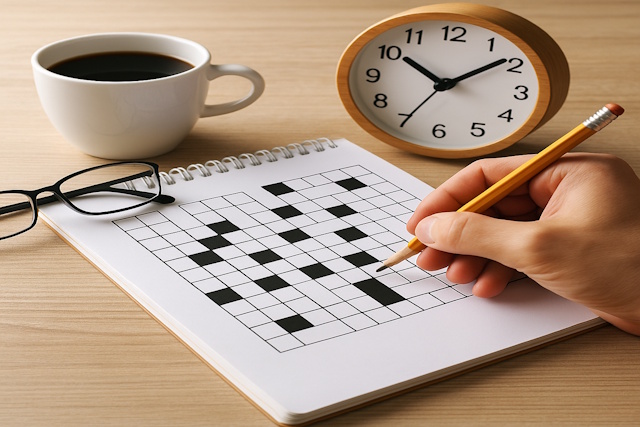
Tackling a crossword puzzle can feel like a mini-adventure, especially when shared with curious kids or savored solo. Timing that perfect moment can sharpen focus, boost vocabulary, and even foster family bonding over breakfast or bedtime. Choosing the best time of day to tackle a crossword aligns with natural energy peaks and daily routines, turning a simple grid into a brain-boosting ritual. Parents juggling school runs, meal prep, and work calls can carve out moments of mental clarity by syncing puzzle time with the family schedule. This guide explores three ideal windows—morning, midday, and evening—each packed with practical tips, real-life examples, and creative ways to involve children in the fun.
Morning session advantages
Early morning brain freshness
Within the first hour after waking, cortisol levels rise naturally, enhancing alertness and memory retrieval. That means a crossword at the breakfast table can be surprisingly rewarding. Fresh coffee in hand, brain cells fire on all cylinders, making it easier to spot word patterns and recall trivia. Morning puzzles tap into peak cognitive power before the day’s distractions kick in, helping both adults and older kids solve clues faster.
Establishing a 7:30–8:00 AM crossword slot can anchor the morning routine. Even toddlers can join by circling simple shapes or naming colors of highlighted words. This early practice trains the mind to switch from sleepy mode into creative problem-solving.
Setting a family crossword ritual
Turning a puzzle into a shared ritual makes mornings feel special. A laminated clipboard or colorful magnetic board can display a daily grid, inviting children to add letters while parents fill in trickier entries. Rewards might include choosing the weekend’s pancake topping or picking a family playlist.
- Lay out the newspaper or print a puzzle page the night before
- Assign roles: one child reads clues, another fills squares
- Use colored pencils to distinguish each participant’s answers
- Celebrate “first word solved” with a high-five or sticker
Afternoon or midday break
Post-lunch mental boost
The post-lunch slump often hits around 1:00 PM, as blood redirects to digestion. Slowing down can harm productivity, but a quick crossword offers a gentle wake-up call. Switching tasks from email threads to word puzzles engages different brain regions, refreshing focus. Afternoon crosswords serve as a mini mental reset, breaking up the day and preventing that heavy, drowsy feeling.
A brisk five-minute walk before returning to the grid can sharpen concentration further. Stepping outside for fresh air and light movement primes the mind for new connections—so when the crossword beckons again, patterns and puns pop into view more easily.
Involving kids as a playful quiz
Midday puzzles can double as an educational game for school-age children. Simplify clues or swap in themed grids—animals, planets, or family names—to match their interests. Taking turns to read definitions aloud fosters listening skills and shared laughter.
- Select a themed or beginner-level crossword online
- Read the clue together and brainstorm possible answers
- Fill in letters one at a time, discussing each choice
- Reward correct guesses with a thumbs-up or extra playtime
Evening unwind and bonding
Quiet time after bedtime
Once the house settles and the last story is read, the living room becomes a sanctuary of solitude. An evening crossword session, perhaps under soft lamplight, feels like a gentle reward after a busy day. Late-night puzzles promote calm focus and can help clear the mind before sleep, especially when paired with a warm cup of herbal tea.
Creating a “puzzle nook” with a comfy chair, throw blanket, and a small side table for supplies turns this ritual into a cozy end-of-day treat. Even older children can join for a few minutes, then drift off to bed inspired by new words they’ll remember tomorrow.
Technology downtime and paper puzzles
Putting devices aside and reaching for a printed crossword reduces blue-light exposure, easing the transition to restful sleep. The tactile act of writing letters has a meditative quality, slowing racing thoughts. Keeping a stack of Sunday supplements or a puzzle book on the nightstand makes it easy to slip into a calming routine each evening.
For families, sharing an evening crossword can become a gentle bonding ritual—a moment of quiet collaboration before lights out. Over time, these nightly puzzles evolve into cherished memories of leisurely wordplay and warmth under the glow of a bedside lamp.