
How to decorate a room without buying furniture
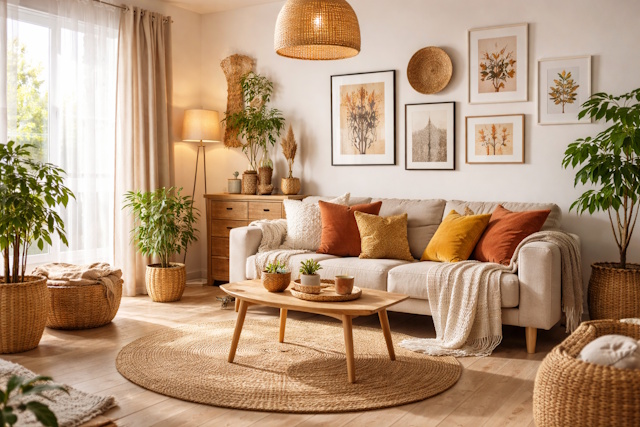
Decorating a room without buying furniture may sound restrictive, yet it often leads to smarter and more creative results. Less spending, fewer delivery issues and more personality. In many British homes, furniture already takes up most of the available space. What usually lacks attention are the elements that truly define atmosphere: walls, lighting, textiles and organisation.
This approach is practical and accessible. No major renovation, no endless scrolling through online shops. The idea is simple: work with what is already there, improve what feels flat, and focus on changes that make an immediate visual impact.
Making the most of walls and vertical space
Before adding anything new, it’s worth looking at the surfaces you already have. Walls and vertical areas are often underused, yet they offer some of the biggest opportunities for visual impact. With a few thoughtful choices, you can enhance style and function without taking up any extra floor space.
Using colour with intention
A fresh coat of paint can transform a room faster than any new sofa. One well-chosen colour can change how a space feels and functions. Light shades help small rooms feel more open, while deeper tones add warmth and character.
Painting every wall is not always necessary. An accent wall behind a bed or sofa, a painted alcove, or even a simple colour block can be enough. For rented properties, removable paint and peel-and-stick wallpaper offer flexibility without risking the deposit.
Wall decor that feels organised
Artwork, photos and prints bring personality without using floor space. A planned arrangement looks intentional, not cluttered. Keeping frames consistent or sticking to a limited colour palette helps create visual calm.
Walls are not just for pictures. Baskets, fabric pieces, mirrors or even vintage kitchen tools can work as decor when grouped neatly. Laying everything out on the floor before hanging avoids random spacing and unnecessary holes.
Mirrors as visual tools
Mirrors are one of the easiest ways to improve a room. They reflect light and make spaces appear larger, which is especially useful in narrow hallways or north-facing rooms.
Placing a mirror opposite a window boosts natural light instantly. Several smaller mirrors arranged together can achieve the same effect as a large one, with added visual interest.
Light and textiles change the mood
Light and textiles have an immediate influence on how a room feels. They are flexible, affordable elements that can be adjusted at any time, making them powerful tools for transforming a space without major changes. With a few thoughtful choices, it becomes easy to shift the atmosphere from calm to energising or from functional to cosy.
Layered lighting instead of one main light
Relying on a single ceiling light rarely creates a welcoming atmosphere. Multiple light sources add depth and comfort. Floor lamps, table lamps and discreet wall lights help shape the room.
Light temperature matters. Warm bulbs suit evenings and relaxation, while cooler light works better for reading or working. Mixing both allows the room to adapt throughout the day.
Textiles as flexible decor
Curtains, cushions, throws and rugs are powerful tools. Textiles introduce colour, texture and softness without permanent commitment. A rug can define zones in open-plan spaces or soften hard flooring.
Seasonal changes work particularly well. Lighter fabrics and brighter tones in summer, heavier textures and warmer colours in winter. The room feels refreshed without buying anything major.
Creative reuse of existing items
Many decorative elements are already at home, just used differently. A spare blanket becomes a sofa throw, a scarf turns into a table runner. Reusing items saves money and adds originality.
Even worn objects can find a second life. A wooden board becomes a simple wall shelf, an old ladder turns into a decorative rack for throws or magazines.
Order, greenery and personal touches
At this stage, the focus shifts to the elements that shape a room’s character on a daily basis. It’s not about adding more objects, but about refining what’s already there. Order, greenery and meaningful items work together to create a space that feels calm, personal and visually balanced.
Decluttering as a design decision
A tidy room always looks better decorated. Order is a quiet but powerful design tool. Reducing what is visible allows key elements to stand out.
Boxes, baskets and trays help group smaller items. Everything stays accessible, yet the room feels calmer and more balanced.
Plants bring instant life
Plants add freshness and energy to any space. They introduce colour and a natural feel without needing furniture. Windowsills, wall-mounted planters or hanging pots do the job.
Low-maintenance plants such as snake plants or pothos suit busy households. High-quality artificial plants can also work when used sparingly and placed thoughtfully.
Personal items with restraint
Books, travel souvenirs and meaningful objects give a room character. Selecting carefully works better than displaying everything. A few well-placed items feel deliberate and refined.
Two simple guidelines help keep balance:
- Limit the number of visible objects to avoid visual overload
- Group similar items by colour, material or theme for cohesion
With these choices, a room can feel entirely renewed, without buying furniture and without unnecessary complexity.