
Zempler bank
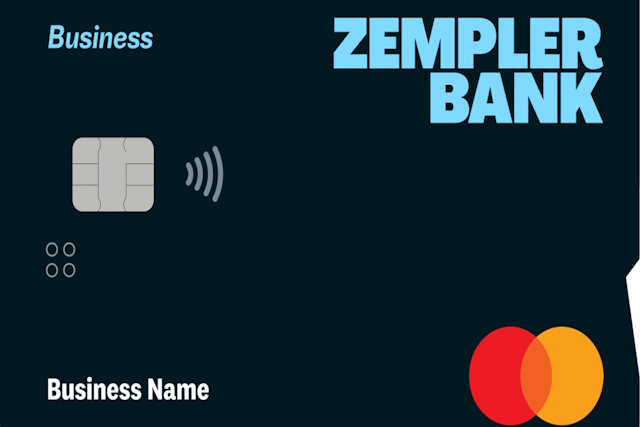
Zempler Bank is often described as a modern, mobile‑first financial institution, but that description barely scratches the surface. To understand its real value, you need to look beyond the usual marketing lines and explore the structural, operational, and strategic choices that make it different from traditional banks and even from most neobanks. This article digs into those lesser‑known aspects, offering a perspective that goes deeper than standard product lists or feature summaries.
The Philosophy Behind Zempler Bank’s Architecture
Most neobanks focus on sleek interfaces and fast onboarding. Zempler Bank does that too, but its real differentiator lies in its modular banking architecture. Instead of building a monolithic system, Zempler relies on a distributed set of micro‑services designed to be replaced, upgraded, or scaled independently. This approach isn’t just technical elegance — it’s a strategic choice that allows the bank to adapt faster than competitors when regulations, customer expectations, or market conditions shift.
This modularity also means Zempler can integrate emerging technologies without the usual multi‑year overhaul. For example, when new identity‑verification standards appear, Zempler can plug in a new verification engine without rewriting its entire onboarding flow. This agility is one of the reasons the bank can roll out updates more frequently than many fintechs.
How Zempler Uses Data — Beyond the Obvious
Most banks use data for fraud detection and credit scoring. Zempler goes further by analyzing behavioral financial patterns to anticipate user needs. This doesn’t mean predicting purchases or pushing ads — instead, the bank focuses on identifying “financial stress signals,” such as irregular spending spikes or recurring end‑of‑month shortages.
Rather than penalizing users, Zempler uses these signals to adjust notifications, recommend better budgeting flows, or temporarily modify spending limits. This approach positions the bank as a proactive partner rather than a passive service provider.
A Different Approach to Customer Support
Many digital banks rely heavily on automated chatbots. Zempler uses automation too, but with a twist: its support system is built around a triage model inspired by emergency‑room workflows. Instead of routing all users through the same funnel, Zempler categorizes requests by urgency, complexity, and potential financial impact.
This means that issues involving blocked accounts, suspicious transactions, or identity concerns bypass the usual queue and go directly to trained specialists. The result is a support experience that feels more human, even when automation is involved.
Why Zempler Doesn’t Try to Be “Everything at Once”
Many neobanks expand aggressively into crypto, insurance, travel perks, or lifestyle rewards. Zempler takes a more disciplined approach. Its strategy is built around financial essentials — payments, savings, liquidity management, and responsible credit. This focus allows the bank to refine its core services instead of diluting its resources across dozens of unrelated features.
This doesn’t mean Zempler lacks ambition. Instead, it prefers to partner with specialized providers rather than reinventing entire industries. These partnerships are selected based on technical compatibility rather than brand prestige, which is why some of Zempler’s integrations feel unusually smooth compared to other fintech ecosystems.
The Hidden Strength: Zempler’s Compliance Culture
Compliance is rarely mentioned in marketing materials, but it’s one of Zempler Bank’s strongest assets. The bank’s internal compliance team operates almost like a research unit, tracking regulatory trends months before they become mandatory. This proactive stance allows Zempler to implement changes gradually rather than rushing updates at the last minute.
This culture also influences product design. Features are built with regulatory flexibility in mind, meaning they can be adapted to different jurisdictions without major redesigns. This is one of the reasons Zempler can expand internationally faster than banks that rely on rigid compliance frameworks.
What Zempler Is Quietly Building for the Future
While Zempler doesn’t publicly announce long‑term roadmaps, several internal decisions hint at its direction. The bank is investing heavily in real‑time financial infrastructure, suggesting a future where users can access instant settlements, dynamic credit lines, and adaptive savings tools that respond to real‑world conditions in seconds.
Another emerging area is context‑aware financial automation. Instead of simple rules like “move €50 to savings every month,” Zempler is exploring systems that adjust savings behavior based on income variability, spending categories, and even economic indicators. This could redefine how users interact with their finances.
Why Zempler Appeals to a Specific Type of User
Zempler Bank isn’t trying to attract everyone. Its design, features, and communication style appeal particularly to users who value clarity, control, and efficiency over flashy perks. These users tend to be:
- Independent professionals who need predictable financial tools
- Frequent travelers who appreciate transparent fees
- Tech‑savvy users who understand modular ecosystems
- People with variable income who benefit from adaptive budgeting
This intentional focus helps Zempler maintain a coherent identity rather than becoming a generic all‑purpose neobank.
Conclusion: A Bank Built on Adaptability, Not Hype
Zempler Bank stands out not because of flashy features but because of its underlying philosophy: build systems that adapt, evolve, and respond intelligently to real‑world financial behavior. Its modular architecture, proactive compliance culture, and behavior‑driven financial tools make it a unique player in the fintech landscape.
For users who want a bank that prioritizes stability, clarity, and long‑term innovation over short‑term trends, Zempler offers a refreshingly grounded alternative.