
Materials that age well: wood, linen, stone, rattan…
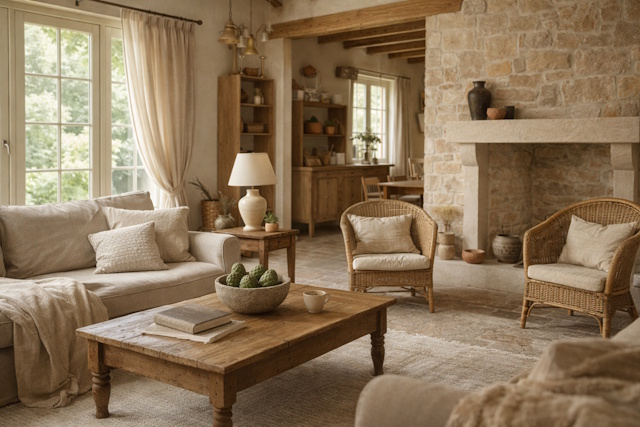
Not every material is meant to stand the test of time. In many homes, the difference becomes obvious after only a few years. Some surfaces scratch easily, fabrics lose their shape, and colours fade faster than expected. Others do the exact opposite. They develop character, remain practical and often look better with age. Wood, linen, stone and rattan clearly belong to this second group. They suit a sensible, long-term approach to interiors where comfort, durability and clarity matter more than short-lived trends.
Choosing materials that age well is not about nostalgia or luxury. It is about practicality. In British homes, where daily use, variable light and changing seasons put materials to the test, these choices often prove to be the most reliable and cost-effective over time.
Wood: reliable, warm and built to last
Why wood improves with age
Wood does not wear out, it settles in. Small scratches, softened edges and changes in tone are signs of use, not failure. A solid oak table or a pine floor gains depth as the years pass, especially in rooms filled with natural light. This natural ageing cannot be recreated with synthetic finishes.
Wood also adapts well to different styles. Whether paired with modern furniture or traditional pieces, it rarely feels out of place.
Solid wood versus engineered alternatives
The real difference appears after several years. Solid wood can be sanded, repaired and refinished. Veneer, MDF or laminated surfaces cannot. Once damaged, replacement is usually the only option.
Buying once and buying well often saves money in the long run, even if the initial cost feels higher.
Low-maintenance and forgiving
Wood does not require constant attention. Regular cleaning, mild products and occasional oiling are enough. This balance between durability and easy care makes it particularly suitable for busy households.
Linen: honest fabric with everyday strength
Creases that work in its favour
Linen does not aim for perfection. It creases, moves and breathes. That relaxed appearance is exactly why it is appreciated. With time and washing, linen becomes softer and more comfortable, while keeping its structure.
This natural evolution suits homes that value comfort over rigid aesthetics.
Practical uses around the home
Curtains, cushion covers, tablecloths and bedding made from linen perform well in everyday life. The fabric regulates temperature and handles frequent washing better than many synthetic alternatives.
Rather than looking tired, well-used linen often looks better than new.
Resistant to passing trends
Linen works across styles. It pairs naturally with wood, stone, ceramics or concrete. Even visible wear rarely feels negative; it simply reinforces the material’s authenticity.
Stone: strength that spans generations
Designed for heavy use
Natural stone is built for longevity. Floors, worktops and staircases made from granite, limestone or marble cope well with heat, moisture and constant use. Many historic buildings are proof of its endurance.
This makes stone a sensible option for kitchens, hallways and other high-traffic areas.
Marks that add character
Over time, stone develops subtle changes: polished paths, small chips or softened edges. These signs of use often enhance the material rather than diminish it. A stone surface with history usually feels warmer than a flawless imitation.
Care that matches the reward
Routine cleaning and occasional sealing are generally sufficient. The maintenance effort is modest compared to the lifespan, which explains stone’s continued popularity.
Rattan and natural fibres: light but dependable
Strength behind the appearance
Rattan may look delicate, but it is surprisingly tough. Chairs, sofas and storage pieces made from woven fibres hold their shape well when used indoors under stable conditions.
Lightweight design does not mean weakness.
Ageing without losing value
As rattan ages, it darkens slightly and loses some shine. This change is usually welcome, as it enhances the handmade feel and visual depth of the material.
Best places to use it
Rattan works best in living rooms and bedrooms, away from constant humidity. Combined with linen and wood, it creates relaxed and comfortable interiors.
- Well suited to calm, light-filled spaces
- Pairs easily with natural materials
Choosing materials that age well is simply practical
Fewer replacements, fewer regrets
Durable materials reduce the need for frequent replacement. That saves money, limits waste and avoids unnecessary hassle. In times of rising costs, this approach makes even more sense.
Flexible as tastes change
Wood, linen, stone and rattan adapt easily to new colours, layouts or furniture. They remain relevant even as interiors evolve.
Homes designed to be lived in
When materials accept everyday use without complaint, living becomes easier. Scratches and marks stop being a concern and start to feel like part of the home’s story.
- Less stress over maintenance
- More character with less effort
Materials that age well support a home that works today and still makes sense tomorrow.