
How to improve your crossword solving strategy?
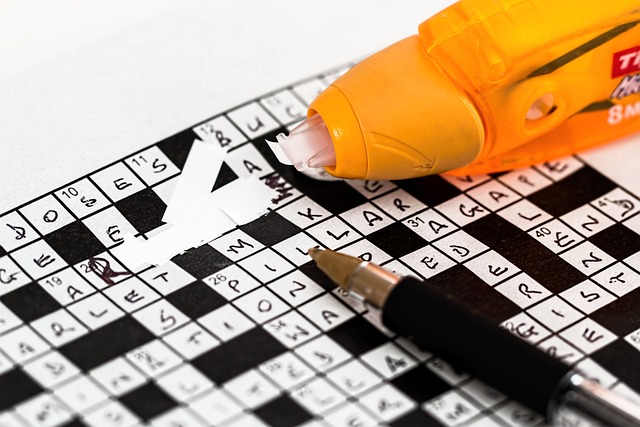
Crossword puzzles blend trivia, vocabulary and lateral thinking into one engaging challenge. Many enthusiasts finish a daily grid in minutes yet hit a wall on tougher themed or cryptic puzzles. Learning how to improve your crossword solving strategy means more than memorizing word lists—it requires understanding puzzle structures, honing clue-cracking techniques and building a disciplined practice routine. This guide breaks down each element with concrete tips, examples and proven routines to boost accuracy and speed.
Whether tackling a 15×15 daily puzzle or a Sunday 21×21 extravaganza, these strategies apply. By dissecting clue types, optimizing your approach and leveraging tools wisely, every solver can transform a hit-or-miss routine into a systematic, confidence-boosting workflow. The result is crisper solves, fewer frustrating roadblocks and a deeper enjoyment of wordplay.
Understanding puzzle fundamentals
Grid patterns and symmetry
Most American-style crosswords use rotational symmetry: black squares mirror around the grid’s center point. A 15×15 puzzle typically features around 78 words, while a 21×21 Sunday grid contains nearly 140 answers. Recognizing standard patterns—like the seven-letter entry spanning the center row—helps locate theme answers quickly. Familiarity with grid mechanics reduces guesswork: when a theme entry begins in the same spot every week, solvers know where to focus first on those long, revealing answers.
Clue conventions and abbreviations
Puzzle constructors use shorthand to signal nonstandard entries. Abbreviations such as “dept.” or “misc.” warn of shortened answers, while indicator words like “mixed up” point to anagrams. Hidden-word clues often hide the answer inside a phrase, for example “runner in a marathon” conceals ram. Spotting these conventions at a glance sharpens clue interpretation and prevents wasted time on literal reading.
Theme recognition
Themed puzzles revolve around gimmicks—rebus squares, letter-shifts or punny titles. A recent sports-themed grid used “substitution” throughout, inserting abbreviations like NBA and NFL into common phrases. Identifying the theme first makes it easier to predict theme entries and fill grid corners. Veteran solvers often skim the title or reveal answers before filling crosses, using theme insight to guide their entire solve.
Strategic solving techniques
Initial pass: easy hits
The most efficient solves start with fill-in-the-blank and short-answer clues—three to five letters long with straightforward definitions. These low-hanging fruits unlock intersecting letters that simplify longer entries. For example, solving “capital of Japan: __to” immediately reveals the starting T for eight adjacent words. Locking in easy entries first builds momentum and minimizes guesswork later.
Second pass: cross-checking and patterns
With low-value entries in place, attention shifts to longer words and cryptic clues. Cross-checking ensures that each letter fits both across and down answers. Patterns like _ing or _tion often signal verb or noun endings. Recognizing common letter pairs—such as qq, zz or fl—can guide guesses. Systematic cross-checking catches errors early: one wrong letter can derail multiple entries, so confirming every crossing accelerates the overall process.
Final pass: targeted guesses and review
Stubborn clues call for educated elimination. Pencil in plausible answers, then verify by filling crosses. If two letters remain uncertain, testing both options often breaks the grid open—especially with non-vowel consonants like b or c. Once the grid is nearly complete, scanning for any blank or questionable boxes and revisiting those clues prevents small mistakes from lingering.
- set a strict timer for the overall solve
- scan for fill-in-the-blank opportunities first
- return to longer or thematic clues after the initial pass
- review and revise uncertain entries in the final minutes
Leveraging tools and resources
Authoritative reference guides
High-quality dictionaries and usage manuals demystify obscure terms and proper nouns. A crossword-specific dictionary lists frequent fill words alphabetically, helping solvers spot entries like eke, eta and lps in seconds. Style guides outline abbreviation conventions and punctuation rules. Investing in well-regarded volumes—from unabridged dictionaries to clue glossaries—transforms hesitation into informed confidence during tough puzzles.
Digital apps with hint systems
Official crossword apps from major newspapers offer grid tools: single-letter checks, reveal-letter hints and error highlighting. Third-party apps add statistics, timed modes and community leaderboards. These features expose weak spots—whether in geography, pop culture or foreign phrases—and generate targeted practice suggestions. Over time, solvers build data-driven insight into their solving habits.
Online communities and puzzle swaps
Forums on Reddit, specialty blogs and social media groups host clue-by-clue discussions and constructor q&as. Posting a tricky clue often yields multiple interpretations, from literal definitions to cryptic wordplay. Engaging with fellow enthusiasts brings fresh perspectives and uncovers less obvious solving methods. Peer feedback accelerates learning by exposing solvers to new clue tropes and theme innovations.
- crossword solver’s dictionary by Ned White
- Merriam-Webster unabridged
- NYT crossword app (daily puzzles)
- XWord Info (constructor insights)
- Reddit r/crossword (community discussion)
Building habits and practice routines
Consistent daily solving
Allocating a set time each morning or evening—whether a quick mini-puzzle or a full newspaper grid—reinforces solving muscles. Tracking solve times highlights progress and shows which clue types consume the most time. Over weeks, this routine turns sporadic effort into systematic improvement, ensuring steady gains in both speed and accuracy.
Timed challenges and self-assessment
Setting a timer for each puzzle introduces gentle pressure that mimics tournament conditions. Solvers might aim to complete a Monday grid in five minutes or a Saturday challenge in 20. Recording results in a simple log—date, puzzle source, solve time and error count—reveals patterns. Reflecting on these metrics guides targeted practice and reinforces a growth mindset.
Analyzing mistakes to refine strategy
Every error offers a learning opportunity. Collecting missteps—whether misread abbreviations or theme misfires—in a personal error journal highlights recurring blind spots. Reviewing these entries before the next puzzle prevents repeat mistakes. Turning mistakes into case studies fosters deeper understanding of clue conventions and grid mechanics, sharpening future solves.