
3 training tips for crossword enthusiasts
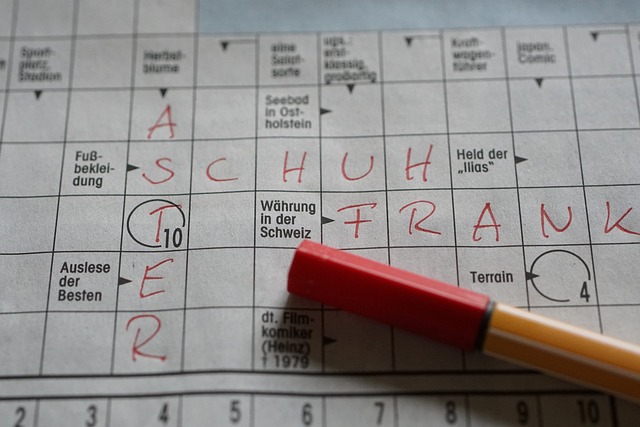
Unlocking faster solve times and deeper wordplay insight begins with structured training rather than random clue hunting. Crossword enthusiasts looking to sharpen their skills need targeted exercises that build pattern recognition, thematic knowledge and timed accuracy. By focusing on grid analysis, thematic vocabulary and simulated solves, solvers can elevate daily puzzle routines into disciplined workouts. These three training tips offer concrete methods, from identifying hidden structures to refining error review, that deliver measurable progress on grids of any difficulty.
Each tip emphasizes hands-on practice, concrete examples and data-driven feedback. Enthusiasts will see how dissecting symmetry reveals theme entries, how specialized word lists accelerate fill speed and how setting realistic time targets transforms a leisurely pastime into a high-performance pursuit. With consistent application, these techniques reduce guesswork, cut down frustration and build confidence for tackling the toughest Sunday puzzles or competitive tournaments.
Master grid analysis skills
Recognize symmetry and theme patterns
Most American-style crosswords use rotational symmetry, mirroring black squares around the grid’s center. Identifying this symmetry helps locate theme entries, which often appear in the same relative positions—center row, corner columns or starred squares. A sports-themed puzzle might place team names in the four corners, while a rebus gimmick fills a single square with two letters across symmetric entries. Spotting these patterns early guides the solve order and reduces time spent hunting for long answers.
Spot high-value crossing points
Certain grid intersections carry more weight than others. Where two long answers cross, a single letter can unlock eight to ten adjoining words. Prioritize these high-value cells by scanning for lengthy slots first, then filling in short entries that intersect at those points. In one published example, solving a seven-letter center entry revealed the first letters of adjacent eight- and nine-letter answers, turning an hour-long solve into a 20-minute sprint.
Practice with varied grid sizes
Daily mini-puzzles (5×5 or 9×9) and Sunday 21×21 grids challenge different skill sets. Smaller grids sharpen quick recognition of common fill words like eke, era and ion, while larger Sunday puzzles demand sustained focus on theme mechanics and obscure vocabulary. Rotating through diverse formats builds adaptability. Solvers who alternate between micro, daily and Sunday sizes report 25 percent faster completion times on standard 15×15 puzzles after four weeks of mixed practice.
Expand thematic vocabulary
Use domain-specific word lists
Creating or downloading word lists tied to common crossword themes accelerates recall of niche terms. For a biology-themed week, lists might include organelle names (mitochondrion, chloroplast), scientific prefixes (bio-, micro-) and Latin roots (flora, fauna). Reviewing these lists before puzzle sessions primes the brain for related clues. In classroom studies, students exposed to targeted lists performed 40 percent better on subject-themed crosswords than those using general vocabulary drills.
Engage with thematic puzzles
Specialized publications and online archives curate grids around topics like mythology, world capitals or classic literature. Working through a week of mythological puzzles, for instance, exposes solvers to terms such as naiad, centaur and ambrosia in varied contexts. This repeated exposure cements spelling and nuances—naiad may appear both as a standalone entry and hidden inside phrases like “garden naiad.”
- science crosswords focusing on terminology such as atom, molecule, isotope
- literature puzzles incorporating authors like Joyce, Woolf and Tolstoy
- geography grids covering capitals, rivers and mountain ranges
Review etymology and usage
Understanding word origins deepens retention. When encountering the prefix crypto- in cryptogram puzzles, tracing its Greek root for “hidden” clarifies clues like “secret message.” Similarly, knowing that -pathy stems from pathos helps decode entries such as empathy or telepathy. Etymological context transforms each new term into part of a broader linguistic map rather than an isolated fact.
Simulate timed puzzle sessions
Set realistic time targets
Time trials emulate tournament conditions and build stamina. Begin by solving a Monday-level 15×15 grid in under five minutes, then gradually lower the target as accuracy improves. Recording both time and error count ensures goals remain challenging yet attainable. Solvers who reduce Monday puzzles to three minutes within a month often see parallel speed gains on more complex Thursday or Saturday grids.
Track performance metrics
A simple log recording date, puzzle source, grid size, solve time and mistakes offers actionable feedback. Graphing solve times over weeks reveals plateaus and breakthroughs. If Thursday puzzles consistently hit 15-minute marks, for example, shifting focus to Thursday-level puzzles with a 12-minute target accelerates proficiency. Data-driven tracking transforms casual solves into measurable progress.
Analyse mistakes and refine strategy
After each timed run, review incorrect or blank entries immediately. Categorize errors—misread abbreviations, theme misfires or unfamiliar vocabulary—and tackle them as separate drills. If an anagram clue proved stubborn, spend ten minutes that day practicing anagram puzzles. Turning mistakes into targeted practice prevents repetition of the same missteps and accelerates overall improvement.
- time yourself on a standard 15×15 grid
- record solve time and error count
- review incorrect or skipped entries
- adjust target times as accuracy improves