
Crossword grids: simple tricks for solving success
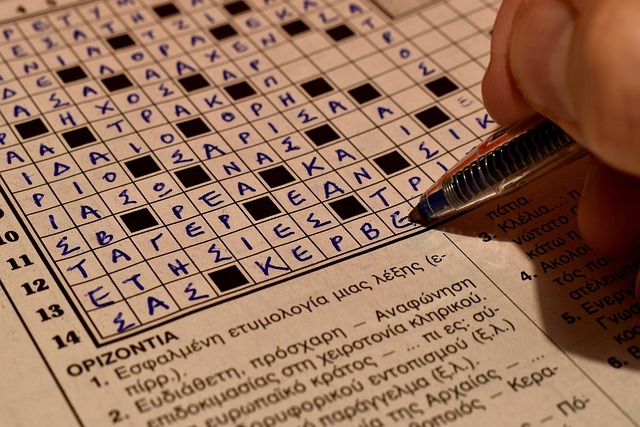
Crossword puzzles often appear as a jumble of black and white squares, but the grid itself holds clues to faster, more reliable fills. Simple awareness of block patterns and theme placement helps solvers navigate even the toughest layouts with confidence. mastering grid structure streamlines the process, turning what feels like random guessing into a clear, step-by-step approach.
From compact 9×9 mini puzzles to expansive Sunday editions, every grid follows conventions that repeat across publications. Recognizing symmetry, spotting dense clusters of short entries and targeting long theme answers first builds a framework of letters that unlocks the entire puzzle. These tricks save time and eliminate frustration, making each solve session both efficient and enjoyable.
Decoding grid patterns
Symmetry and block placement
Most American-style crosswords use rotational symmetry, where black squares mirror around the center point. This layout ensures that theme entries and long answers appear in predictable rows and columns. For example, a 15×15 grid often places its four longest across entries symmetrically around the central row. By scanning for these open slots immediately, solvers identify high-value targets and gain a foothold in the puzzle within seconds.
Identifying theme entries
The longest across slots usually contain the puzzle’s reveal or theme answers. In a music-themed grid, entries like “BEETHOVEN” or “TAILGATE JAZZ” might occupy two of the four major slots. Spotting those lengths—typically 11 to 15 letters—guides solvers to consult the title or subtitle of the puzzle for thematic hints. Filling one or two theme answers first injects dozens of letters into crossing entries and clarifies surrounding clues.
Spotting dense clusters
Areas with few black squares form dense clusters of short words, often three to five letters long. Corners and edges frequently feature compact 3×3 or 4×4 white-square blocks filled with common entries like AREA, ETNA or OBOE. Tackling these clusters early builds a scaffold of crosses that illuminate longer and trickier answers. These quick sections serve as stepping stones across the grid.
Building a strategic solving approach
Anchor points via fill-in-the-blanks
Fill-in-the-blank clues almost always yield instant answers—phrases such as “the Grand ____” (canyon) or “to be or ____ to be” (not). Placing those entries first introduces essential letters that intersect multiple words. After entering CANYON, for example, solvers immediately unlock letters in at least six crossing entries, transforming ambiguous clues into straightforward fills.
Leveraging crossing letters
Every letter in a crossword grid serves two clues: one across and one down. By alternating between across and down sections, solvers ensure that each new entry contributes to multiple clue solutions. High-confidence entries—dates like 1492 or abbreviations such as NASA—often yield crossing letters that break open stubborn areas. using crosses as guideposts prevents isolated guessing and reduces error propagation.
Tackling multiword themes
Sunday puzzles and specialty publications frequently feature multiword theme entries. A film-themed grid might hide STAR WARS, DUNE or BLADE RUNNER across prominent slots. Recognizing the theme category allows solvers to anticipate likely answers and bypass lengthy dictionary searches. Filling one multiword entry early can reveal dozens of letters that speed up the remainder of the grid.
Memory hacks for common entries
Pattern recognition
High-frequency endings and letter pairs dominate crossword grids: _ING, _TION, double letters like LL or EE. When facing a slot such as _A_ER, candidates narrow to water, paper or later. Experienced solvers internalize these patterns, rapidly cycling through options until a crossing letter confirms the correct choice. This awareness bridges memory and deduction in every solve.
Abbreviation mastery
Abbreviations account for a large share of grid entries, from GOV (government) to ETA (estimated time of arrival). Focused practice embeds these shorthand forms into memory:
- flashcards for state abbreviations and chemical symbols
- spaced-repetition drills on airline codes and academic degrees
- themed lists covering currency units, internet acronyms and loanwords
Reviewing these resources for a few minutes before each solve session makes these entries instant fills, eliminating second-guessing in tight spots.
Database of proper nouns
Proper nouns—author surnames, film titles or geographic names—can stall a solve when unfamiliar. Maintaining a personal log of recurring entries, updated after each puzzle, primes recognition in future grids. Encountering LENO, ZETA or MERIDA once often leads to instant recall the next time they appear, shaving valuable seconds off the solve.
Focus techniques to maintain momentum
Environment tweaks
A distraction-free workspace anchors attention on the puzzle. Turning off notifications, using a dedicated desk lamp and sitting with proper posture reduce mental friction. An uncluttered surface ensures all cognitive energy stays focused on parsing clues and placing letters rather than on external interruptions.
Timed mini-sessions
Breaking a full grid into structured time blocks sharpens focus and tracks progress. Rather than facing all 150 squares at once, solvers might set short timers for specific entry lengths:
- five minutes to fill all three-letter words
- ten minutes for four- and five-letter entries
- final segment to tackle long or theme-based clues
Checking progress at each checkpoint sustains motivation and highlights bottlenecks without overwhelming the solver.
Rest and reset breaks
Micro-breaks prevent mental fatigue during extended sessions. Pausing to close the eyes for ten seconds, stand and stretch or take a single deep breath restores cognitive clarity. strategic pauses often lead to sudden “aha” moments when returning to stubborn grid sections with fresh focus.